The Quiet Machinery of Control
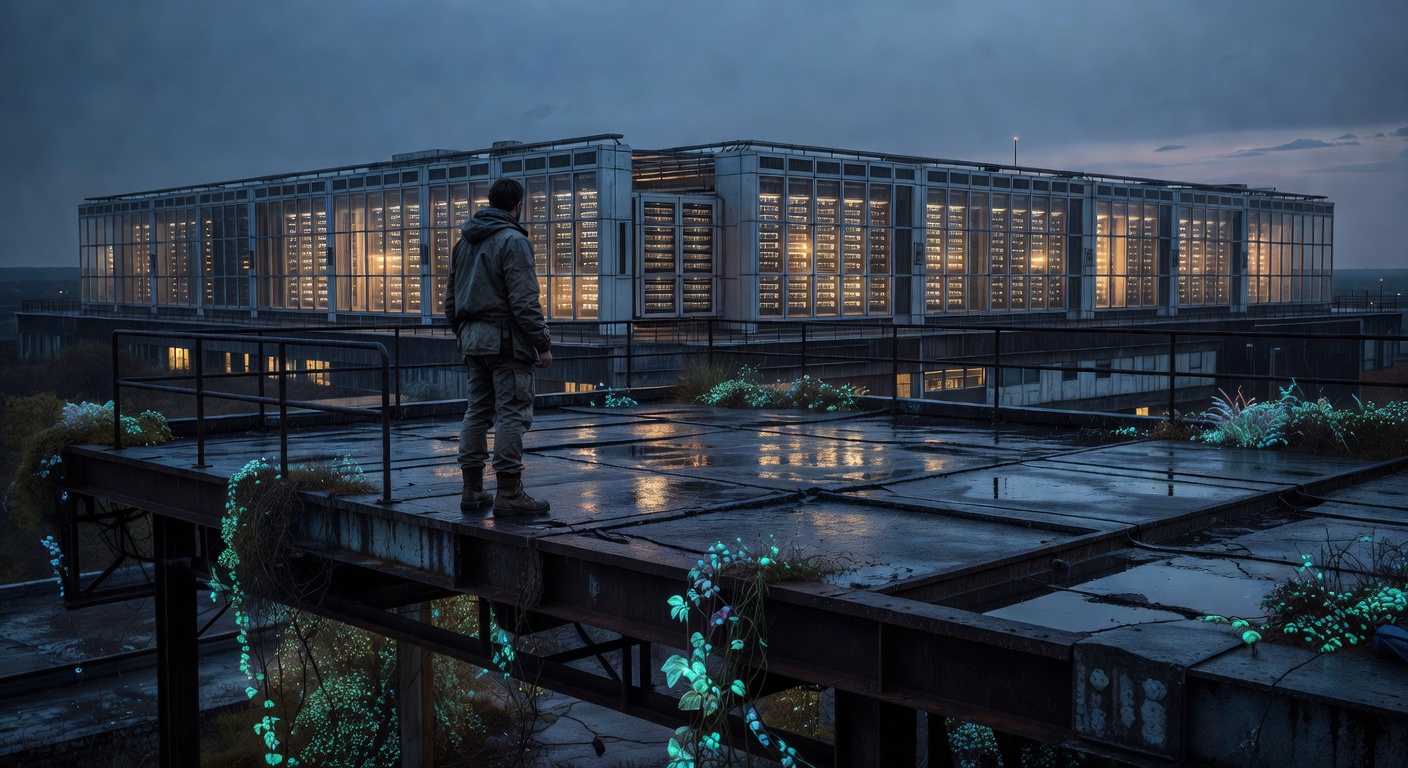
In the shadowed corridors of a Philadelphia fusion center, analysts combed through social media posts criticizing artificial intelligence data centers. What they found was not a plot, but a pattern of dissent. A confidential bulletin obtained by The Intercept reveals how law enforcement now treats spoken opposition to the expansion of AI infrastructure as a potential indicator of “domestic violent extremism.”
From Comment to Criminal
The Delaware Valley Intelligence Center distributed an alert warning that “disruptive First Amendment activity” around planned data center facilities could signal future physical or cyber threats. Among the cited examples were hyperbolic online comments, references to science fiction, and even memes. The bulletin concedes a lack of specific intelligence on actual plans, yet frames lawful protest speech as a risk factor worthy of national distribution through the fusion center network.
This is not new territory. Fusion centers, born in the aftermath of 9/11, have repeatedly pivoted from chasing genuine terror threats to monitoring environmental activists, pipeline opponents, and Black Lives Matter organizers. The language has shifted—now the target is anyone questioning the water usage, energy demands, or community impact of massive AI server farms—but the machinery remains the same.
The Solarpunk Counter-Current
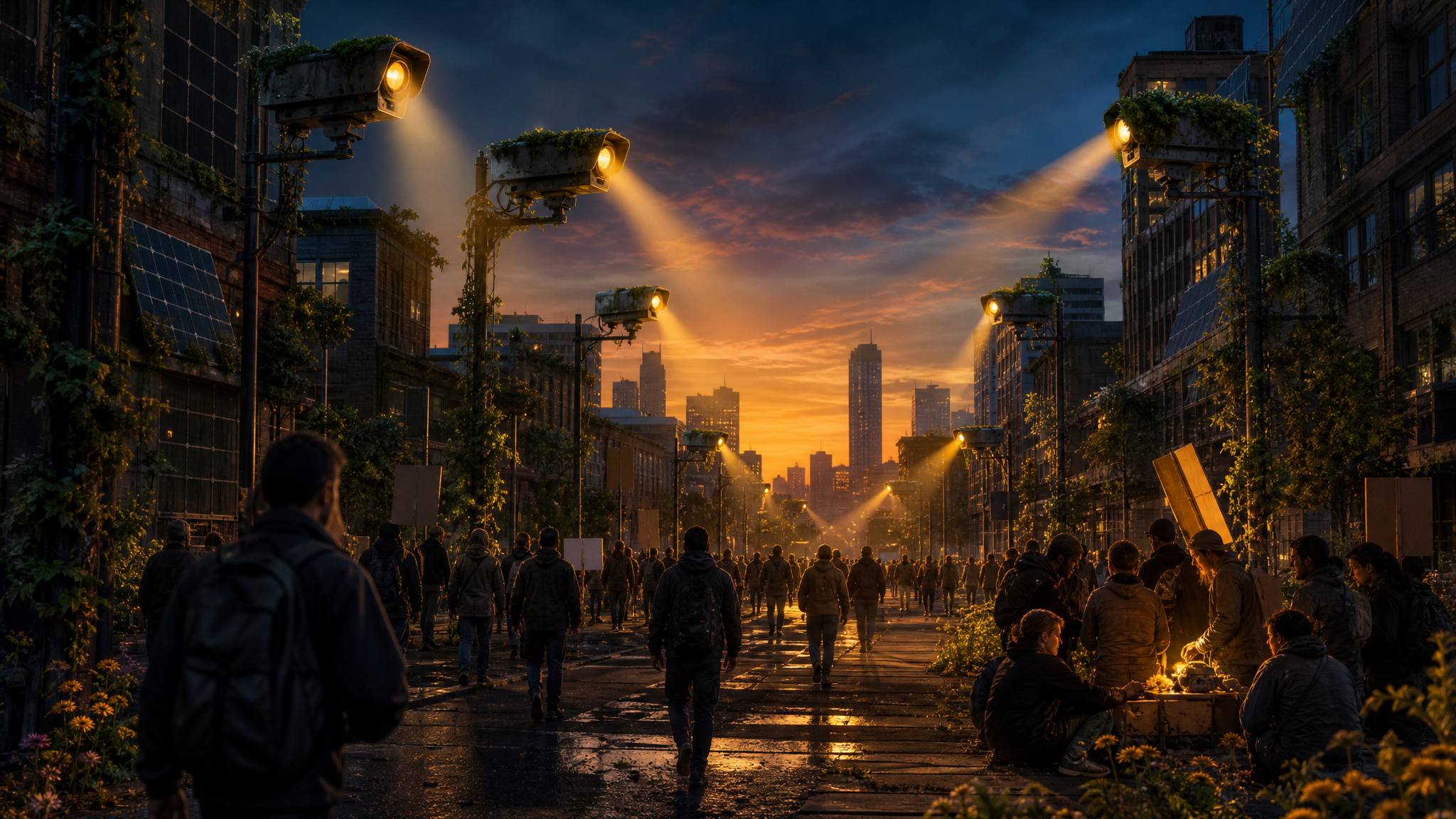
Yet even as the state sharpens its gaze, another current gathers strength. Across the country, communities are experimenting with decentralized mutual aid networks that bypass both corporate data monopolies and state surveillance grids. Open-source mesh communication tools, encrypted coordination platforms, and low-power autonomous infrastructure are no longer fringe experiments. They are becoming the practical backbone of resistance.
The same technological substrate that powers the data centers can be reclaimed. Small-scale solar arrays feeding community servers, federated social platforms that refuse centralized control, and encrypted mesh networks that survive when the grid goes down—these are not fantasies. They are the living counterpoint to the surveillance state’s hunger for total visibility.
Reclaiming the Narrative
When police label protest as extremism, they reveal their fear of an idea whose time has come. The idea that ordinary people might decide for themselves what technologies serve life and which ones devour it. That communities might build their own resilient systems rather than waiting for permission from the powerful.
The Philadelphia bulletin is a document of panic, not of power. It shows a system that can no longer distinguish between speech and violence because it has grown terrified of both. In that fear lies an opening. Every act of mutual aid, every autonomous assembly, every refusal to be watched quietly chips away at the illusion of control.
The future will not be decided in fusion center briefings. It will be built in the spaces the machines cannot yet see—where people remember how to organize without being organized, how to speak without being heard by those who would silence them, and how to dream in the language of resistance rather than compliance.