The Roots Run Deeper Than the Bulldozers
In the shadow of extraction zones and sacrifice corridors, a quiet revolution is taking root. From the flooded rice paddies of the Mekong to the scorched high desert of the American Southwest, communities are no longer waiting for policy to catch up to crisis. They are building the future with their own hands, their own seeds, their own solar arrays wired together in defiance of the grid that was never built for them.
Reclaiming the Ground Beneath Our Feet
Climate justice has always been more than carbon accounting. It is the recognition that the same systems poisoning the atmosphere are the ones displacing families, poisoning water, and criminalizing those who defend the land. In 2026, the frontlines are everywhere the extractive economy still believes it can operate without consequence. Yet across these frontlines, something new is growing: networks of care and resistance that treat the soil as a commons and the future as a shared project.
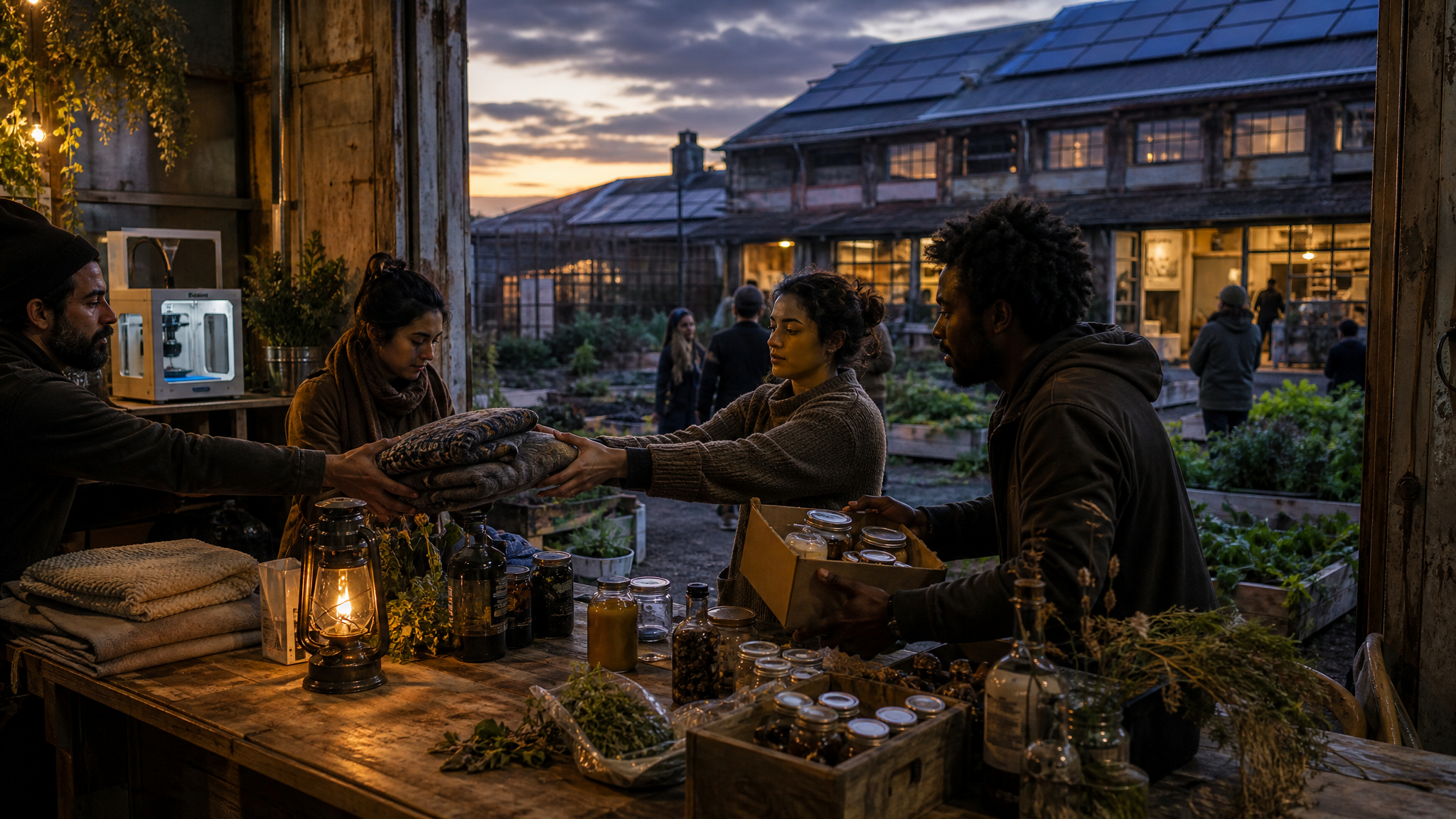
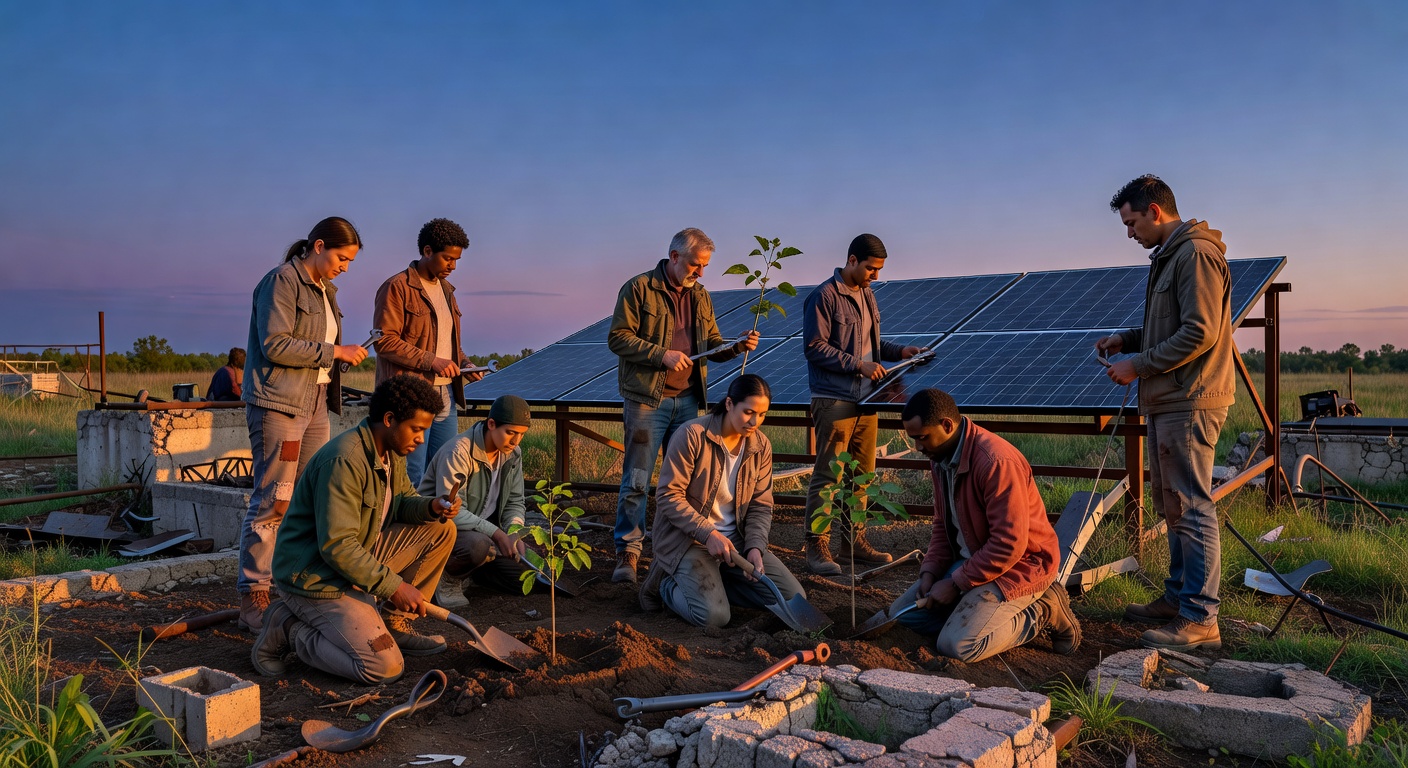
Direct action in this context is not spectacle. It is the patient work of planting food forests on land once slated for pipelines. It is the construction of micro-grids that keep clinics running when the utility cuts power to punish organizers. It is the legal defense funds and the jail support that allow land defenders to return to the work after every arrest. These are not side projects. They are the infrastructure of survival.
From the Ashes of Abandoned Promises
The solarpunk vision has never been about aesthetics alone. It is the refusal to accept that the only future on offer is one of managed decline and gated enclaves. When communities in the Global South refuse new fossil fuel projects, when Indigenous water protectors blockade drilling sites, when urban gardeners turn vacant lots into perennial food systems, they are not simply protesting. They are demonstrating that another metabolism is possible—one where energy, food, and decision-making are rooted in place and accountable to the people who live there.
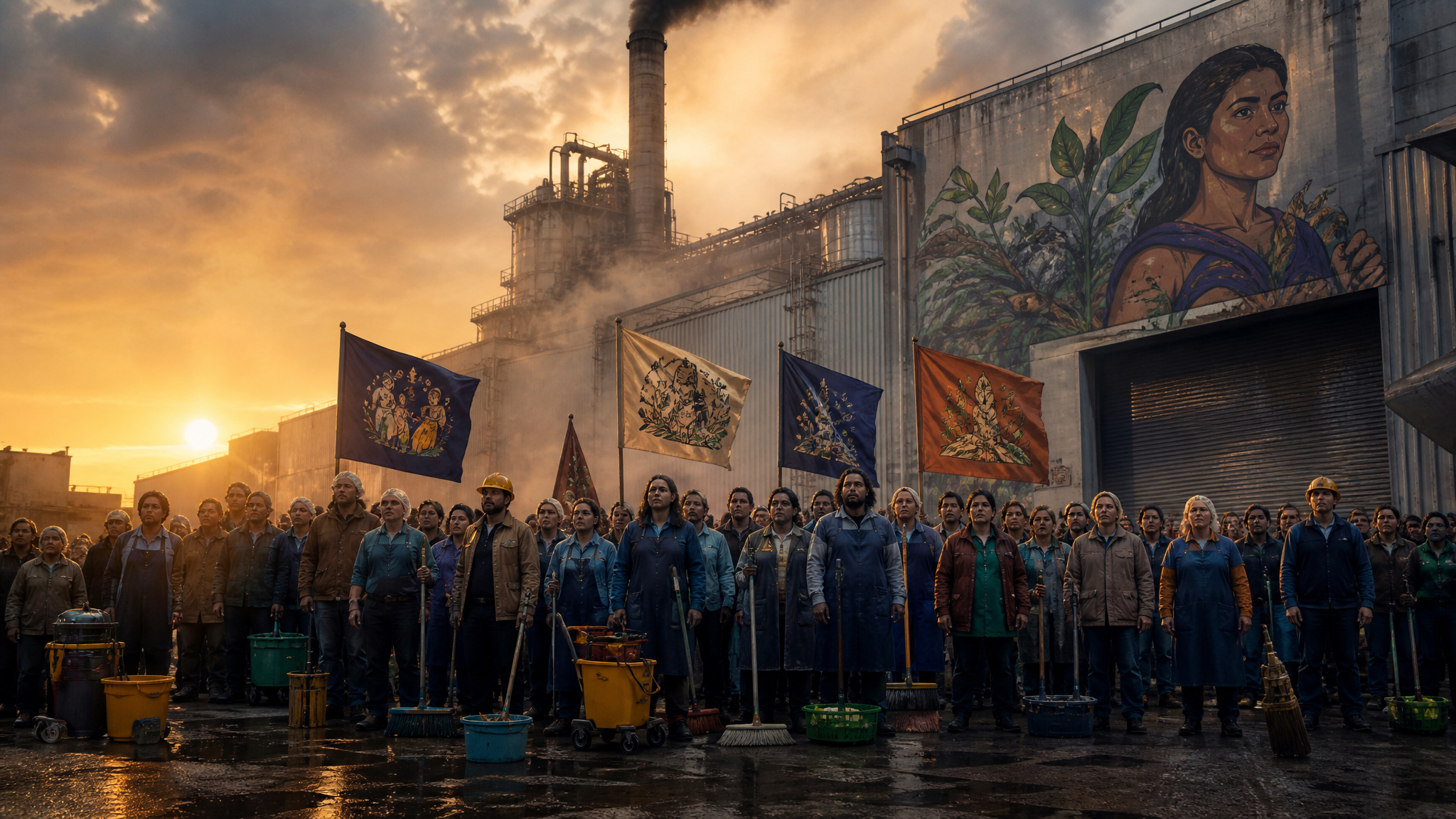
This is the industrial resistance meeting the living earth. Abandoned factories become sites for worker-owned cooperatives producing the components for community-owned renewables. Former coal towns become training grounds for retrofit crews that weatherize homes and install heat pumps. The skills forged in the old economy are being turned toward the new one, not as charity but as reclamation.
The Long Memory of the Land
What distinguishes these movements is their refusal to treat the present crisis as unprecedented. The knowledge of how to live with, rather than against, the land has never been lost. It has been carried in seed banks hidden from colonial collectors, in oral histories that map flood patterns and fire cycles, in the quiet persistence of elders who remember when the rivers still ran clean. The most powerful climate technology is not a new battery chemistry. It is the decision to listen to those who have always known how to tend the commons.
Mutual aid networks that began as pandemic response have evolved into permanent structures for sharing tools, labor, and harvest. Land trusts are removing acreage from the speculative market and returning it to stewardship. Youth climate strikes have matured into sustained campaigns that target not only emissions but the financial institutions that underwrite them. Each of these threads is being woven into something larger: a fabric of resistance that cannot be easily unraveled because it is made of relationships, not institutions.
Building While the Old World Burns
The work ahead is not to convince the powerful to change their minds. It is to make their systems irrelevant by constructing alternatives so robust, so rooted, and so widely replicated that the old order has nothing left to extract. This is the meaning of visionary climate justice in 2026. It is not waiting for the next international agreement. It is the daily practice of making the world we need, one garden, one micro-grid, one defended watershed at a time.
The bulldozers will come. The police will be deployed. The narratives of inevitability will be repeated until they sound like common sense. But the roots are already deeper than the blades. And every new seed planted, every panel wired, every story carried forward is proof that the future belongs to those who refuse to be extracted from.