Land Defenders Secure Victory at Pe’ Sla: Direct Action Halts Sacred Site Drilling
In the high prairie of South Dakota’s Black Hills, where the wind carries songs of creation, Oceti Sakowin land defenders have struck a powerful blow against extraction. On April 30, 2026, a small band of Indigenous protectors, organized by the NDN Collective, entered the Rochford Mineral Exploratory Drilling Project site near sacred Pe’ Sla. They locked themselves to drilling rigs, held traditional ceremonies, and shut down operations across ten pads operating illegally within a protected buffer zone.
Pe’ Sla, known as Reynolds Prairie, is no ordinary land. It is a place of origin for Lakota, Dakota, and Nakota peoples—a spiritual heart held in federal trust since 2016, buffered by a U.S. Forest Service memorandum. Yet Pete Lien & Sons drilled anyway, exploiting a “categorical exclusion” to bypass environmental review. The defenders’ audacity forced a reckoning.
Their ground action synchronized with legal fire. NDN Collective, Black Hills Clean Water Alliance, Earthworks, and nine tribes of the Great Sioux Nation sued the Forest Service. On May 4, federal court granted a 14-day temporary restraining order, halting the drills and scheduling a full injunction hearing for May 20-21. “This is a huge win for the people, for tribal nations and for all who believe in clean water and protecting Mother Earth,” declared NDN Collective President Wizipan Garriott.
Direct Action as Solarpunk Praxis
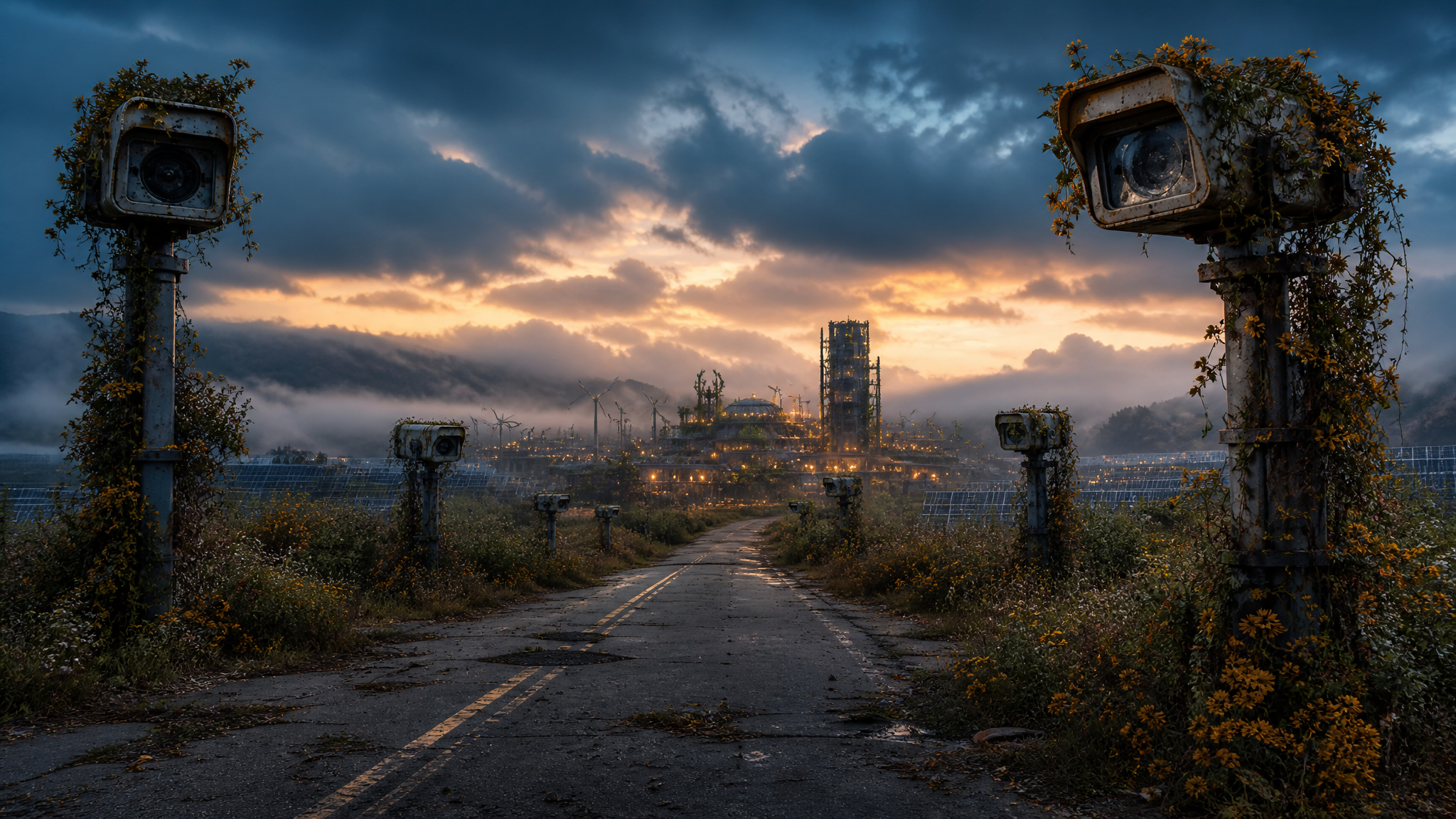
This is decentralized resistance incarnate: leaderless in form, yet fiercely coordinated. Protectors powered their camp with solar panels and wind turbines, embodying solarpunk sovereignty amid industrial assault. Banners proclaimed “Water is Life,” “Honor the Treaties,” “Protect Pe’ Sla.” Chains bound bodies to machines, turning tools of violation into monuments of refusal.
Dr. Valeriah Big Eagle, NDN Collective’s He Sapa Initiatives Director, spoke for generations: “As a mother and an auntie, this is a big win for future generations, the land, and the water. Wòphila tȟáŋka ečhíčiyapi ye.” Community support flooded in—elders, spiritual leaders, online allies—proving mutual aid networks scale from campfires to courtrooms.
The Broader Front: Climate Justice Under Siege
Pe’ Sla’s fight echoes globally. In Minnesota, Attorney General Keith Ellison battles ExxonMobil, API, and Koch for climate deception, only for Trump’s DOJ to intervene, suing to shield Big Oil. States like Hawaii, Michigan, New York, and Vermont face similar federal blocks. Yet resistance builds: Yemen’s Southern Dialogue decentralizes power at governorate levels; Minneapolis mutual aid countered ICE raids; DAOs promise shared ownership beyond extractive platforms.
These threads weave a tapestry of autonomy. Where states centralize control—Nigeria’s governors hoarding local funds, Hanoi piloting “socialist wards”—grassroots actors subvert from below. Platformized resistance on TikTok and Telegram enables connective action, leaderless yet unstoppable.
Seeds of the Regenerative Future
Victory at Pe’ Sla is no endpoint, but ignition. It reveals extraction’s fragility: one chain, one ceremony, one lawsuit can pause the machine. Solarpunk is not utopian fantasy; it’s defenders harnessing prairie wind to power defiance, blending ancestral ceremony with renewable tech against fossil tyranny.
The industrial fortress crumbles when communities reclaim their power. From Black Hills prairies to urban aid networks, the radical promise endures: decentralized, autonomous, unbreakable. The sun rises on resistance, casting long shadows over drilling rigs. The people, protected by law and locked in solidarity, hold the line.