The Signal Fires Are Already Lit
In the quiet hours before dawn, across rooftops and abandoned rail lines, through encrypted channels and hand-painted banners, something older than the internet is waking up again. It does not have a name that fits neatly into an app store, nor does it ask permission from platforms that were never built for it. It is the ancient art of people finding each other when the official channels have gone dark, and it is learning new languages faster than any surveillance system can catalog them.
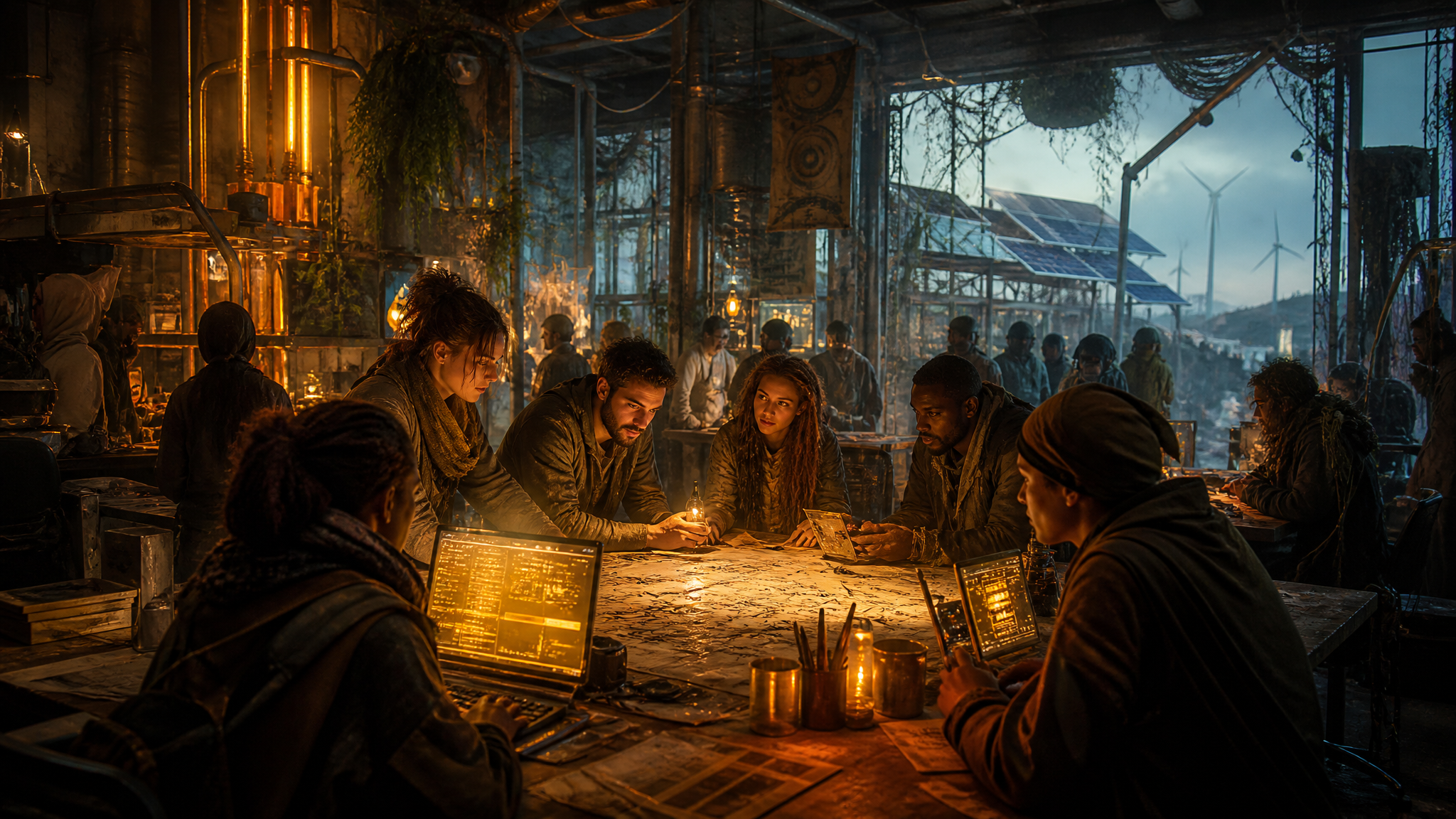
What we are witnessing is not simply resistance. It is the patient reconstruction of public life from the ground up, using whatever tools survive the next round of platform purges and state crackdowns. The most interesting experiments are not happening in the spotlight of viral campaigns. They are unfolding in the half-lit spaces where people still remember how to pass messages without leaving a trail, how to build something that can be abandoned and rebuilt in a single night, how to make solidarity feel less like a slogan and more like a practiced reflex.
Reclaiming the Means of Visibility
Every generation of activists inherits a new layer of technical debt. The cameras that once required film now stream to servers in other countries. The phones that once made calls now carry always-on location histories. The very tools that promised connection have become the most efficient dragnet ever assembled. Yet the response has not been retreat. It has been a quiet proliferation of counter-infrastructures that treat visibility as a tactical choice rather than a default setting.
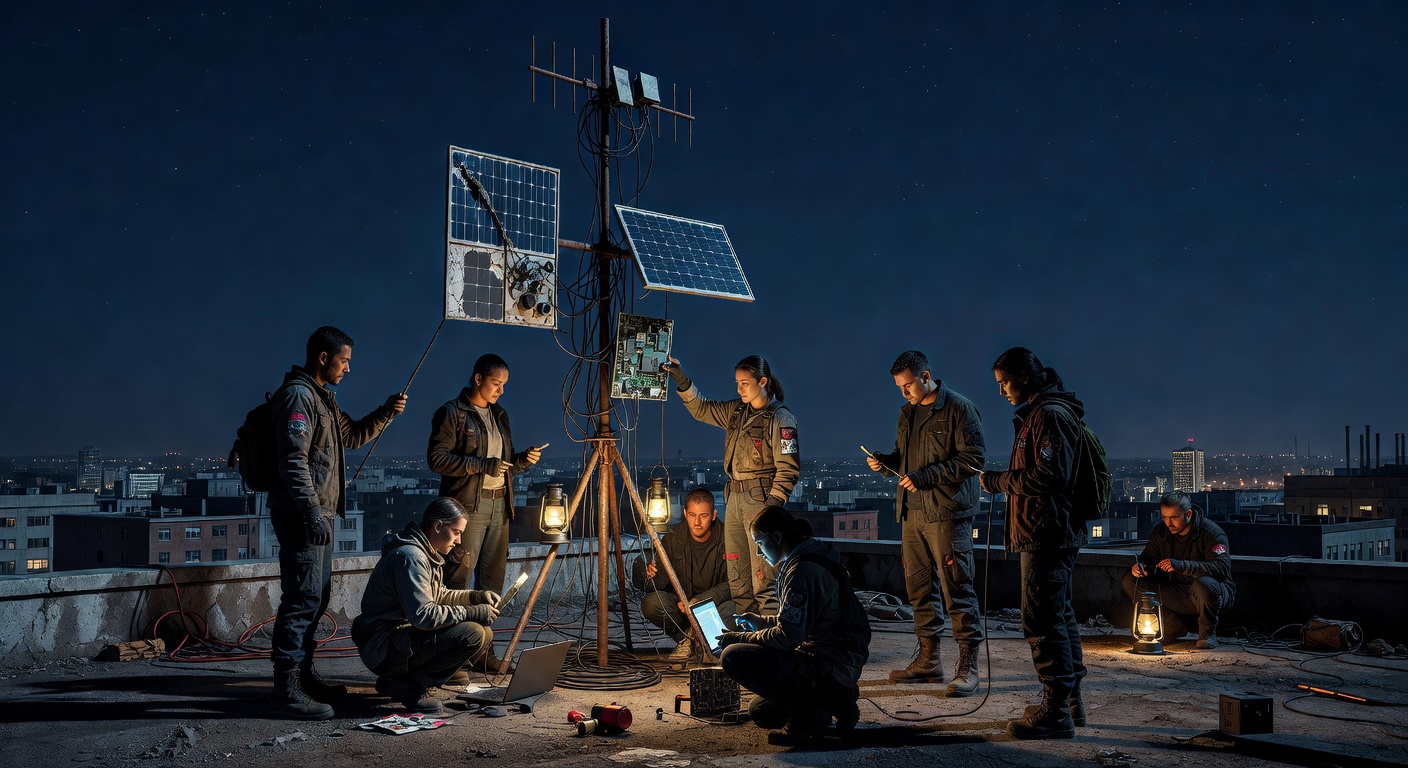
Independent mesh networks are no longer science fiction. They are being assembled from off-the-shelf routers and solar panels in neighborhoods where commercial internet providers have either failed or been instructed to look the other way. These networks do not promise total anonymity. They promise something more useful: the ability to keep talking when the towers go silent, to share maps of police movement that update in real time, to coordinate medical support without routing every request through a corporate server that logs the transaction.
The people building these systems are not waiting for a perfect technology. They are using what exists, stripping it down, and adding only what is necessary. A single Raspberry Pi running open-source firmware can serve as a local broadcast node. A modified gaming router can extend a signal across several city blocks. The documentation travels in person, on paper, in the same bags that carry water and first-aid supplies. This is not because the builders are nostalgic for pre-digital methods. It is because they understand that the most resilient systems are the ones that can be explained to someone who has never opened a terminal.
The Return of the Handmade Banner
Alongside the digital work runs a parallel current of material culture that refuses to be optimized. Wheatpasted posters still appear overnight on construction hoardings. Hand-stenciled symbols reappear on utility boxes within hours of being painted over. The physical act of marking territory remains one of the most direct ways to remind power that it does not own every surface.
What has changed is the speed at which these symbols travel and the sophistication with which they are protected. A design created in one city can be reproduced in another within days, carried not by social media algorithms but by people who understand its meaning and its risks. The same networks that coordinate supply drops also carry printing templates and safety briefings. The handmade and the encrypted are no longer separate spheres. They are two faces of the same refusal to be managed.
Against the Managed Future
The institutions that once absorbed dissent have grown brittle. Corporate diversity statements and government advisory panels offer the appearance of responsiveness while changing nothing about the underlying extraction. People are noticing. They are turning instead toward forms of organization that do not require approval from the entities they intend to challenge. Mutual aid projects that began as emergency responses to pandemic failures have become permanent features of neighborhoods that no longer trust official relief systems. Worker self-organization continues in industries where traditional unions have been legally hobbled. Climate actions multiply in forms that do not wait for the next election cycle or international summit.
None of this is guaranteed to succeed on any particular timeline. The forces arrayed against it are well-funded, heavily armed, and increasingly coordinated across borders. What matters is that the alternatives are being practiced rather than merely theorized. Every mesh node that stays online, every banner that reappears after being removed, every supply run that reaches its destination without a paper trail, adds to a body of knowledge that cannot be fully erased.
The future being built in these spaces does not look like the clean interfaces of the platforms that promised to connect us. It looks more like a forest after a fire: messy, opportunistic, regenerating from whatever survived. The people tending it are not waiting for permission or funding or the right conditions. They are working with what they have, where they are, because the signal fires have already been lit and someone, somewhere, is already answering.